
How to Build Muscle: A Beginner's Guide
A beginner's guide on how to build muscle, covering progressive overload, training volume, protein, recovery and a realistic timeline for results.
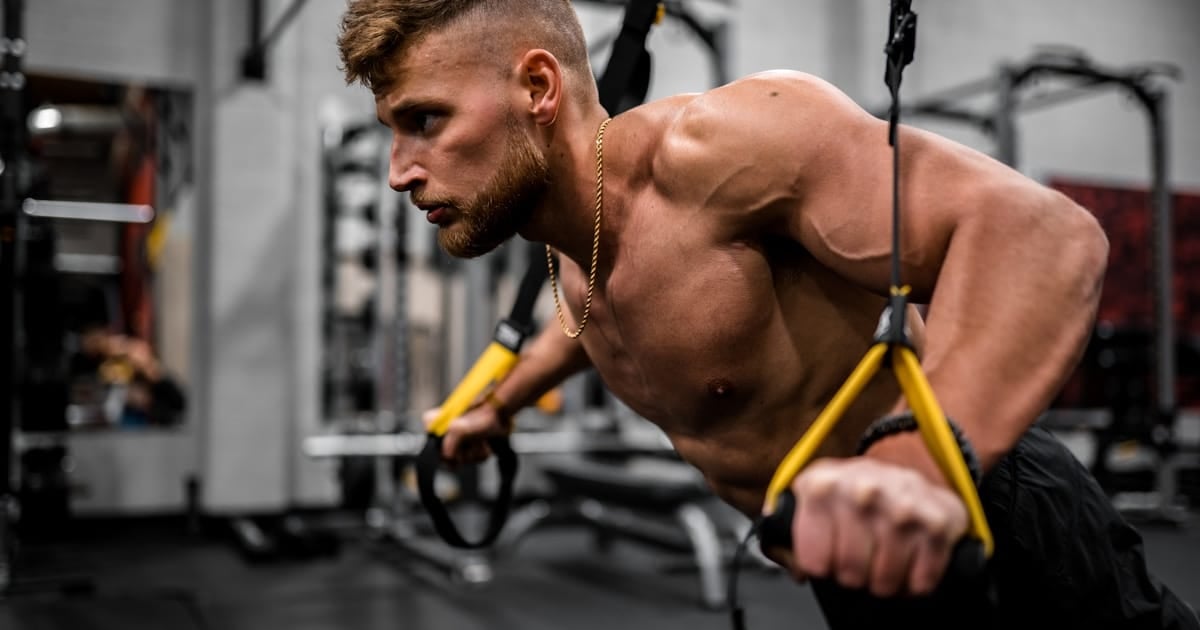
If you want to know how to build muscle as a beginner, the good news is that the fundamentals are simple and the early progress is fast. Your first year of training is the most productive period you will ever have, and the mistake most beginners make is overcomplicating it. As a coach, I would rather you master four or five basics than chase every advanced trick you see online.
Muscle grows when you give it a reason to. That reason is training that gradually gets harder, enough protein to rebuild, and enough rest to let it happen. Everything else is a detail on top of those three pillars.
How to build muscle: the core principle
The single most important concept in building muscle, at the heart of all good strength training, is progressive overload. Your muscles adapt to the demand you place on them, so if the demand never increases, neither does the muscle. Progressive overload means doing a little more over time: more weight, more reps, or more quality sets than you did a few weeks ago.
In practice, this looks like tracking your training. If you squatted 40 kilograms for 8 reps last month and you can now do it for 10, or you have added weight, that is growth happening. Without tracking, you are guessing, and guessing is how people spin their wheels for years.
How much training volume you need
Volume is the total amount of work you do for a muscle, usually counted in hard sets per week. For beginners, you do not need a huge amount. A good starting range is around 10 to 15 challenging sets per muscle group per week, split across two or three sessions.
A simple full-body approach
For someone new, I usually recommend training the whole body three times a week rather than the classic bodybuilder split. It lets you practice the main movements often, which is exactly what a beginner needs.
- A squat pattern: squats, goblet squats or leg press.
- A hinge pattern: Romanian deadlifts or hip thrusts.
- An upper push: bench press, dumbbell press or push-ups.
- An upper pull: rows and, over time, pull-ups.
- Some direct arm and core work to round it out.
Three sets of each, in the range of 6 to 12 reps, taken close to but not all the way to failure, is a genuinely effective muscle-building program. It is not fancy, and that is the point.
Reps, sets and effort
Muscle grows across a wide range of reps, roughly 5 to 30, as long as the sets are hard. For beginners I like the 6 to 12 range because it builds both strength and size and is easy to load and track. The key variable is effort: each set should end with you having only a couple of reps left in the tank. Junk sets done with light effort do very little.
Protein and nutrition
You cannot build a wall without bricks. Protein provides the raw material for muscle repair and growth. A practical target is around 1.6 to 2.2 grams of protein per kilogram of bodyweight per day, spread across your meals.
- Build meals around a protein source: eggs, chicken, fish, beef, dairy, legumes.
- Eat enough total food. Building muscle is easier in a slight calorie surplus, so a small increase in overall intake helps.
- Do not fear carbohydrates. They fuel hard training and support recovery.
If your goal is the opposite direction and you want to lean out first, the logic changes, and I break that down in my guide on losing fat without starving.
Recovery: where muscle is actually built
Training is the stimulus, but muscle is built while you recover. Skip this and you cap your results no matter how hard you train.
- Sleep: aim for seven to nine hours. This is the single most underrated muscle-building tool.
- Rest days: muscles adapt between sessions, not during them. Training a muscle every single day is counterproductive.
- Managing stress: high, constant stress raises cortisol and blunts recovery.
When someone tells me they are training hard but not growing, the problem is almost always here or in nutrition. This is one of the reasons personalized coaching helps so much: an outside eye spots the gap you cannot see. If you want that, you can see how I work.
A realistic timeline
Let me be honest with you, because the fitness industry rarely is. A beginner man might gain roughly 1 to 2 kilograms of muscle per month in the first six months under good conditions, and a woman somewhat less because of physiology. That sounds slow, but it compounds. Over a first serious year of training you can transform how you look and perform.
The people who succeed are not the ones with the perfect program. They are the ones who show up consistently for years, not weeks. Patience is a training variable.
Common beginner mistakes
- Program hopping: switching plans every two weeks so nothing has time to work.
- Never adding weight: lifting the same load forever and wondering why nothing changes.
- Under-eating protein: training like a bodybuilder and eating like a bird.
- Chasing soreness: soreness is not a measure of a good workout, progress is.
Master the basics, be patient, and track your progress. That is genuinely how to build muscle, and it works for almost everyone who sticks with it.
A sample beginner week
To turn theory into action, here is what a simple week might look like. Train three non-consecutive days, for example Monday, Wednesday and Friday, doing the same full-body session each time.
- Goblet squat: 3 sets of 8 to 10 reps.
- Romanian deadlift or hip thrust: 3 sets of 8 to 10 reps.
- Dumbbell bench press or push-ups: 3 sets of 8 to 12 reps.
- Dumbbell row: 3 sets of 10 to 12 reps.
- Biceps curl and triceps extension: 2 sets each.
- Plank: 3 sets held for time.
Each session, try to beat the previous one by a rep or a little weight. That single habit of small, tracked improvement is the engine behind everything.
Do supplements matter?
Beginners always ask about supplements, usually before they have their training and diet in order, which is the wrong order. The truth is that supplements are the smallest piece of the puzzle. Whole food, enough protein, hard training and sleep do 95 percent of the work. If your basics are solid, a couple of well-evidenced options like creatine and a protein powder for convenience can help, but they will never rescue a poor program. Spend your energy and money on good food and consistency first. No powder will ever outwork a plan you actually follow.
When and how to progress your weights
One question I hear constantly is when to add weight. The simple rule I give beginners is the double-progression method, and it removes all the guesswork. Pick a rep range, for example 8 to 12. Start at a weight you can do for 8 clean reps. Each session, try to add reps. Once you can hit the top of the range, 12 reps, for all your sets with good form, increase the weight slightly and start climbing the rep range again from the bottom. This gives you a clear, repeatable rule for progressing that keeps the muscle challenged without leaving you to guess. Small jumps are best, especially on upper-body lifts where adding too much at once stalls you. Progress in fitness is rarely a straight line, so do not panic if a session feels off. Look at the trend over weeks, not the result of any single day.
The best results come from a plan built around you - your body, your sport and your goals. I coach people in Bugojno and online across Bosnia, from complete beginners to athletes. If you want a program made specifically for you, see how I work and get in touch.
FAQ
- How long does it take to build noticeable muscle?
- Most beginners see visible changes within two to three months of consistent training and eating. Meaningful transformation usually takes a full year of steady work, since muscle is built gradually rather than in dramatic bursts.
- How much protein do I need to build muscle?
- Around 1.6 to 2.2 grams per kilogram of bodyweight per day is a well-supported target. Spread it across your meals and build each meal around a solid protein source.
- Can I build muscle without going to a gym?
- Yes, especially as a beginner. Bodyweight exercises, resistance bands and a few dumbbells can drive real progress, as long as you apply progressive overload and eat enough protein.