
How to Break Through a Strength Plateau
Your bench, squat and deadlift have been stuck for weeks. I'll show you exactly why it happens and the practical steps I use with my athletes to get the bar moving again.
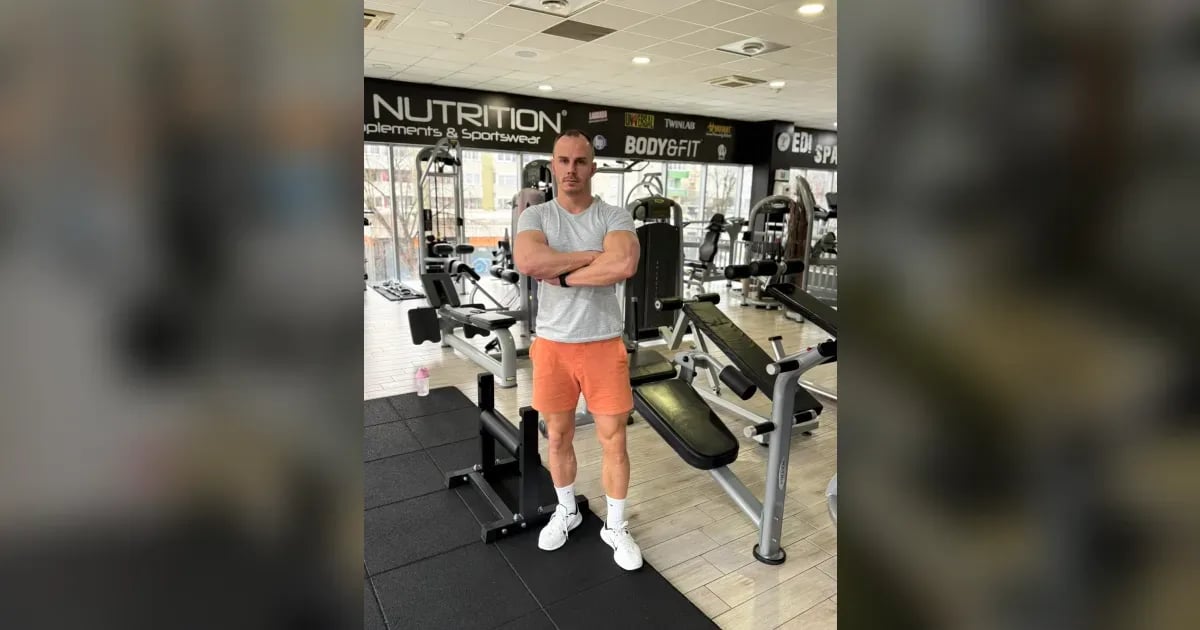
If you've been chasing the same numbers on the bar for six, eight, ten weeks and nothing is moving, you are not broken and you are not weak. You've hit a plateau, and I promise you every single lifter I've ever coached in Bugojno has been exactly where you are right now. I'm Armin, I coach footballers, strength athletes and everyday people who just want to get stronger, and in this article I'm going to be honest with you about why your progress stopped and what I actually do to fix it.
Let me be clear from the start: a plateau is information, not a death sentence. Your body is telling you that whatever you've been doing has stopped being a challenge, or that something outside the gym is holding you back. Once you learn to read that signal, breaking through becomes a process, not a mystery.
Why Plateaus Actually Happen
Most people blame their genetics or their age. In my experience, it's almost never that. Here are the real reasons I see week after week.
- No progressive overload. This is the big one. If the bar weighs the same, the reps are the same, and the rest is the same as it was two months ago, your body has zero reason to adapt. Strength is built by asking a little more of yourself over time.
- Junk volume. More sets is not always better. I see lifters grinding through 25 sets for chest with sloppy technique and half of it does nothing but bury their recovery. Volume you can't recover from isn't training, it's just fatigue.
- Poor recovery and sleep. You don't get stronger in the gym. You get stronger while you sleep and eat. If you're sleeping five hours and living on stress, your nervous system simply can't express the strength you've built.
- Under-eating protein. Muscle is protein. If you're not eating enough, you can't repair and build the tissue that moves the weight. This is the single most common nutrition mistake I fix with new clients.
- Program hopping. Every two weeks a new program from the internet. You never stay long enough on anything to actually progress. Consistency beats novelty every time.
- Technique breakdown. Sometimes the weight isn't too heavy, your position is just leaking force. A small technical fault in your squat or bench can cap your strength for months.
Step One: Track Your Lifts Honestly
I can't fix what I can't measure, and neither can you. The first thing I ask any new athlete to do is write down every working set: the weight, the reps, and how hard it felt. When you track, plateaus stop being a feeling and become a fact you can act on. You'll often discover you weren't actually stuck, you just weren't adding weight because you never wrote down what you did last week.
Keep a simple log. A notebook works. When you can see the last eight weeks in front of you, the pattern becomes obvious.
Step Two: Use a Deload Week
This is the one nobody wants to hear. Sometimes the answer to being stuck is to back off on purpose. A deload week, where you drop your volume and intensity by roughly forty to fifty percent for seven days, lets your joints, tendons and nervous system catch up. I've had athletes come back from a single deload and hit a personal record the following week on a lift that hadn't budged in two months. Rest is not lost progress. Rest is where progress becomes visible.
Step Three: Change Your Rep Ranges and Intensity
If you've been living at five reps for months, your body has adapted to exactly that. Spend a block training in the eight to twelve range to build more muscle, then come back to heavy triples and singles. That new muscle is now available to produce force. I rotate my athletes through phases of higher volume and higher intensity so they never stall in one place. Variety inside a plan is good. Chaos with no plan is not.
Step Four: Attack Your Weak Points With Accessory Work
Most plateaus have a specific weak link. Your bench stalls off the chest, so we add pause presses and more triceps work. Your deadlift dies off the floor, so we add deficit pulls. Your squat collapses at the bottom, so we build the upper back and core. Accessory work isn't filler. It's how we rebuild the exact part of the lift that's holding you back so the main movement can climb again.
Step Five: Autoregulate With RPE
Not every day is the same. Some days you sleep badly, work is stressful, and the bar feels like it weighs double. This is where RPE, rate of perceived exertion, comes in. Instead of forcing a fixed number, I teach my athletes to judge how many reps they had left in the tank. On a strong day you push. On a rough day you hold back and live to fight another session. This autoregulation is the difference between long-term progress and burning out or getting hurt. Grinding through every bad day is exactly how plateaus turn into injuries.
Step Six: Fix the Kitchen and the Bedroom
I'll say it again because it matters most. Eat enough protein, aim for a solid amount with every meal spread across the day. Eat enough total food to support hard training. And sleep seven to nine hours. When my athletes fix their sleep and nutrition, their strength often comes back on its own without me changing a single thing in the program. You cannot out-train a broken recovery.
I want to be concrete here because vague advice helps no one. If you are trying to get stronger and you are eating below your bodyweight in grams of protein each day, that is usually the first hole I plug. Spread it across three or four meals so your body always has building blocks available. And don't ignore carbohydrates. Carbs fuel hard training, and I've watched too many people cut them to zero, feel flat under the bar, and wonder why their squat died. Food is performance, not just aesthetics.
Sleep is the same story. One bad night won't ruin you, but a pattern of five-hour nights will flatten your strength and your motivation. If you can only control one recovery variable this month, make it your sleep. It's free and it works better than any supplement on the shelf.
A Word on Patience and Realistic Expectations
Here's something I tell every athlete honestly. The stronger you already are, the slower the progress comes, and that is completely normal. A beginner can add weight to the bar almost every week. Someone who has been training seriously for three years might add five kilos to a lift over an entire training block, and that is a win. If you expect beginner gains forever, every normal slowdown will feel like a plateau when it isn't one. Manage your expectations and you'll stay in the game long enough to actually get strong.
Progress at the intermediate and advanced level is measured over months, not days. Sometimes it shows up as an extra rep at the same weight. Sometimes it's the same lift feeling smoother and more controlled. Learn to see those small wins and you'll never quit out of frustration.
A Simple Four-Week Plan I Use
When an athlete comes to me truly stuck, here is often the shape of what we do. It is not magic. It is just structure applied honestly.
- Week one: a deload. Lighter weights, fewer sets, clean technique. Sleep and eat well. Let the body reset.
- Week two and three: a slightly higher rep range than you're used to, around eight to ten reps, with a couple of accessory movements chosen for your specific weak point. Track every set.
- Week four: return to heavier work in your main lifts, autoregulated by RPE. On a good day, push for a new top set. On a rough day, hit your numbers and go home.
That's it. Simple, boring, and it works far more often than the flashy stuff people find online. Consistency inside a smart structure is what breaks plateaus.
Putting It All Together
Breaking a plateau is rarely about one magic trick. It's a deload, then a smart change in rep ranges, honest tracking, targeted accessory work, autoregulation on hard days, and getting your food and sleep right. Do these together and the bar will move again. I've seen it hundreds of times.
The hardest part is being honest about which of these you're actually neglecting. That's where a coach earns their keep. If you're tired of guessing and you want a plan built around your body, your schedule and your goals, I'd love to help you. I coach in person here in Bugojno, and I work with athletes all over through online coaching. Start a program with me and let's get you strong again. Reach out, tell me where you're stuck, and we'll build the way forward together.
FAQ
- How long should a strength plateau last before I do something about it?
- If your lifts haven't moved in three to four weeks despite consistent effort, that's your signal to act. Don't wait months. Start by tracking honestly, take a deload week, and reassess your sleep and protein. Small stalls are normal, but a genuine plateau needs a deliberate change, not just more grinding.
- Will taking a deload week make me lose strength?
- No. A well-timed deload of five to seven days lets your nervous system and joints recover while keeping enough stimulus to hold onto your gains. Most of my athletes come back stronger, not weaker. You lose strength from chronic fatigue and injury, not from a planned week of lighter training.
- Can you help me break my plateau if I don't live in Bugojno?
- Absolutely. I coach many athletes online with a program built for them, video technique checks, and regular check-ins to keep you progressing. Whether you train in person with me in Bugojno or online from anywhere, the process is the same. Message me and let's get started.